Traveling to Belarus is not only about discovering its architecture, nature, and history, but also about meeting the people who make the country truly special. To feel more confident and comfortable, it’s helpful for visitors to understand local traditions, habits, and communication styles. Belarusians may seem reserved at first glance, but behind this modest exterior lies openness, warmth, and a genuine interest in guests.
This article will help you better understand the nuances of the Belarusian mentality and style of communication, so that every encounter during your trip leaves only positive memories.
Key Traits of the Belarusian Mentality
Belarusians are traditionally seen as calm and reserved people. Excessive expressiveness is not typical in communication, but respect, tact, and the ability to listen to others are highly valued.
- Hospitality. Despite their outward reserve, Belarusians enjoy welcoming guests and creating a cozy atmosphere for them. Even casual acquaintances may offer help or show you the way.
- Modesty. Boasting and ostentatious luxury are not characteristic of most Belarusians. People here tend to appreciate simplicity and sincerity.
- Diligence and responsibility. Both at work and in daily life, Belarusians often show thoroughness: once they commit to something, they strive to do it well.
- Connection to the land and traditions. Many locals maintain respect for their rural roots, nature, and family traditions. This is reflected in holidays, cuisine, and lifestyle.
For travelers, this means that communication in Belarus will usually feel calm, friendly, and predictable — without sudden outbursts, but with genuine respect.
Everyday Communication
In daily life, Belarusians usually behave politely and with restraint. They are not inclined to display strong emotions in public, so loud speech or abrupt gestures may be seen as a lack of manners.
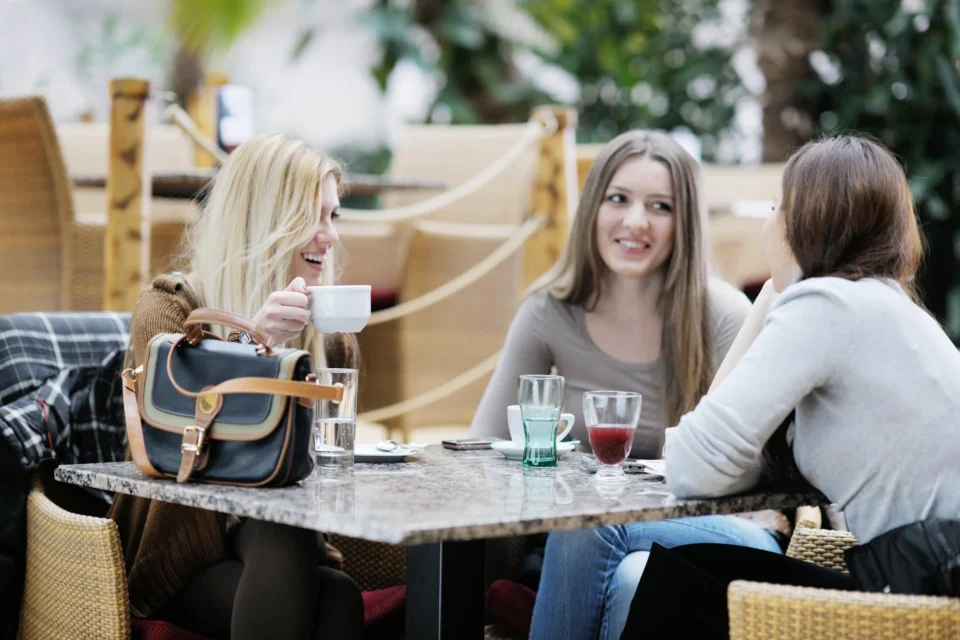
- Language. Russian is more commonly spoken in everyday situations, but Belarusians value their native Belarusian language, take pride in it, and often use it in songs, literature, or to create a special warmth in conversation.
- Greetings. The most common forms are a simple “Zdravstvuyte” or “Dobry den’” (“Hello” or “Good afternoon”). A handshake is appropriate in formal meetings or upon introduction but is not always used in casual settings.
- Personal space. Belarusians appreciate having some distance. It’s customary to keep a bit of space during conversations and to avoid too much physical contact, especially with people you don’t know well.
- Diminutives. Words like “khlebushka” (little bread), “chayku” (little tea), or “kartoshechku” (little potatoes) are commonly used. These forms don’t sound childish — they express coziness and friendliness.
- Openness with friends. Among close company, conversations become warmer and more relaxed. Belarusians enjoy gathering around the table, having heartfelt talks, and sharing jokes.
- Topics of conversation. Culture, nature, sports, and travel are well-received topics. Very personal questions or political discussions, however, are best avoided in unfamiliar company.
Tip for travelers: Be polite, smile, and don’t be surprised by the affectionate diminutives — it’s how Belarusians express warmth and hospitality.
Business Communication
In business, Belarusians usually follow a European style of communication: respect, punctuality, and politeness are key.

- Punctuality. Being late is considered disrespectful, so it’s important to arrive on time — or better, a few minutes early.
- Forms of address. In formal situations, it is common to address people by their first name and patronymic. If you are unsure, it’s best to ask your colleague what is most appropriate.
- Dress code. Business attire is generally conservative: a classic suit for men and a formal style for women.
- Negotiation style. Belarusians prefer calm, logical arguments and avoid excessive pressure or emotionality. A smile and friendliness are welcome, but it’s important not to cross the line into informality.
- Decision-making. Decisions are often agreed upon at several levels, so the process may seem slow. Patience and respect for procedure go a long way in building trust.
- Gifts and gestures. Gifts are not required at first meetings, but a small souvenir from your country will usually be appreciated.
Tip for travelers and business partners: Respect formalities, be polite, and don’t rush the process — in Belarus, trust is valued more than quick results.
Belarusian Hospitality
Belarusians are known for their calm and reserved character, but when it comes to guests, they reveal a different side. An invitation to someone’s home is considered a gesture of trust and respect. It means that you are no longer just an acquaintance, but someone they treat with warmth.

- A generous table. The tradition of serving guests plentiful and tasty food is still alive today. Dishes of Belarusian cuisine often appear on the table — draniki (potato pancakes), kalduny (stuffed dumplings), pies. Even if the visit was unplanned, hosts will try to make sure the guest leaves well-fed and happy.
- How to behave. Upon entering a home, it’s customary to take off your shoes — this is a normal rule. Bringing a small gift, such as a box of chocolates, fruit, or a souvenir, is considered good manners.
- Refusing is not always polite. Belarusians can be insistent with food, and it’s better not to refuse the first offer. Even a small bite will be seen as a sign of respect for the hosts.
Tip for travelers: If you are invited into a Belarusian home, take it as a rare opportunity to experience the country’s true culture — it is at the table that it shines the brightest.
Attitude Toward Foreigners
Belarusians are traditionally welcoming to visitors in their country. Even if someone doesn’t speak foreign languages, they will do their best with words or gestures to make sure a traveler understands.
- Openness and help. Asking for directions on the street is usually easy: passersby rarely ignore a request and may even walk you to your destination.
- Interest in guests. Especially in smaller towns and villages, foreigners spark genuine curiosity. Locals are happy to strike up a conversation and ask where you’re from.
- Calm attitude. In Minsk, foreigners are a common sight, so people treat them as something familiar — yet always with politeness and respect.
Tip for travelers: If you don’t speak Russian, keep a map or a translator app on your phone. Belarusians will be glad to help you, especially if they see you making an effort to connect.
Practical Tips for Travelers
Knowing a few cultural nuances will help you feel more comfortable in Belarus and avoid awkward situations.
- Greetings. A simple “Zdravstvuyte” (Hello) or “Dobry den” (Good afternoon) is enough. A handshake is appropriate in business settings or when meeting someone new, but in everyday life it’s often skipped.
- Visiting someone’s home. It’s customary to bring a small gift for the hosts — sweets, flowers, or a drink. Always take off your shoes at the entrance: this is polite and considered normal. Don’t refuse food right away — at least try a little, as it shows respect to the hosts.
- In public places. Belarusians value calmness, so avoid speaking too loudly and respect personal space.
- The country’s name. Locals are sensitive about the proper name of their homeland — Belarus, not Belorussia.
- National symbols. Belarusians treat their history and culture with respect, so it’s better to avoid jokes on this topic, especially if you don’t know someone well.
Tip for travelers: showing respect for local culture and using the correct names will always earn you a smile and make communication easier.
Belarus is a country with a rich history, a calm rhythm of life, and a unique character shaped by its people. Belarusians value sincerity, respect, and openness — which is why guests are always welcome here. If you pay attention to local communication nuances and show genuine interest in the culture, your trip will be not only comfortable but also truly heartfelt.
Traveling through Belarus is about more than just discovering new places — it’s about meeting the people who make the country special.